Commercial Landscape Maintenance Tips for Professional Grounds
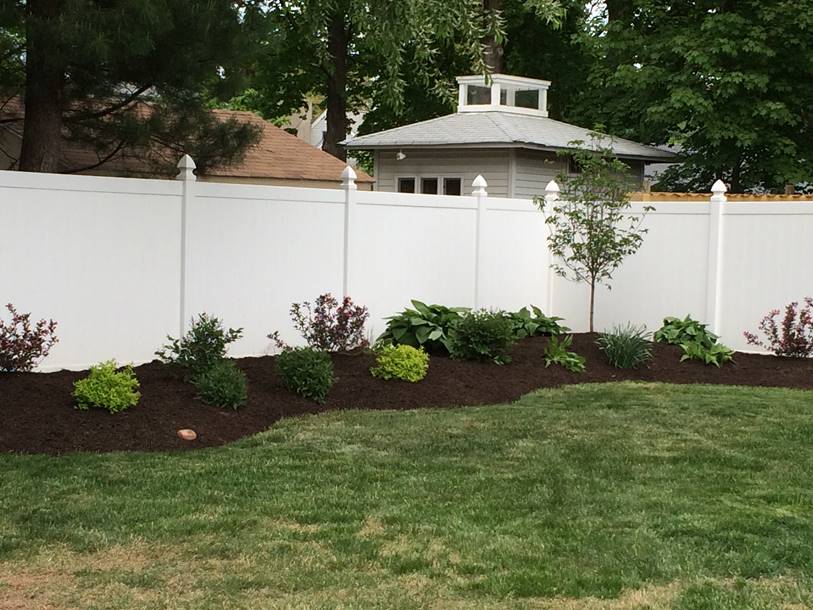
Commercial properties do not get judged one season at a time. They get judged every morning, often in a glance. A tenant pulling into an office park notices whether the entry beds look intentional or tired. A retail customer sees whether the turf line is crisp, whether the parking lot islands are choked with weeds, whether irrigation has stained the sidewalk or left dry rings around shrubs. For hotels, healthcare campuses, industrial parks, schools, and multifamily communities, the landscape is not decoration. It is part of operations.
That is why commercial landscape maintenance requires a different mindset than caring for a home lawn. The scale is larger, the wear is heavier, the budget is scrutinized, and the standard has to hold up through weather swings, foot traffic, service vehicles, and public visibility. Good work is rarely about one dramatic improvement. It is usually the result of a hundred correct decisions made consistently, week after week.
The best-maintained commercial grounds have a few things in common. Their routines are built around plant performance rather than habit. Their crews know what to prioritize when weather shifts or labor gets tight. Their managers understand that deferred maintenance almost always costs more later, whether that shows up as plant replacement, hardscape staining, irrigation waste, or tenant complaints.
Start with a property-specific maintenance plan
A common mistake in commercial landscape maintenance is applying the same service rhythm to every site. Two properties can have similar square footage and still need very different care. A medical campus with dense foundation plantings, automatic irrigation, and constant visitor traffic does not behave like a warehouse complex with broad turf areas, fewer ornamental beds, and long stretches of heat reflected off pavement.
A useful plan begins with how the property is used. Where do people gather? Which entrances matter most? Which areas are visible from the street, and which are only seen by staff? Where does irrigation overspray create slip hazards? Which turf zones get compacted by shortcuts and delivery carts? When you walk a site with those questions in mind, maintenance stops being generic and becomes strategic.
Seasonality matters, but microclimates matter just as much. South-facing walls can bake shrubs that look fine elsewhere on the property. Turf strips between curbs and sidewalks often fail not because of poor mowing but because they are narrow heat traps with poor root volume. Wind corridors near taller buildings dry out containers and hanging baskets faster than expected. One of the clearest signs of professional grounds management is that these site-specific conditions are identified early and built into the maintenance schedule.
A plan should also define appearance standards in plain terms. “Maintain beds” is vague. “Keep bed edges visible, remove seed heads before they spread, and prune away signage and fixture obstructions” gives a crew something measurable. On better-run sites, the expectations are clear enough that two different crews can service the property on different weeks and still produce a similar result.
Turf quality depends on more than mowing frequency
Most people notice turf first, but mowing alone does not create professional grounds. In fact, many commercial lawns decline because mowing is treated as the main event rather than one part of a broader turf program.
Height matters. Cutting too low might make a site look neat for a day or two, but it stresses the grass, exposes soil, encourages weeds, and weakens roots during heat. On commercial sites, this often happens because crews are trying to stretch the interval between visits or reduce clipping volume. The short-term visual gain leads to long-term thinning. A slightly taller, healthier stand of turf usually performs better, recovers faster, and needs fewer corrective inputs.
Blade sharpness is another overlooked factor. Dull blades tear rather than cut, leaving a grayish cast and creating more entry points for disease stress. On large properties, this shows up as a general roughness across the lawn, especially visible in morning light. It can make otherwise healthy turf look neglected.
Compaction is a constant issue on commercial grounds. Employees take the same shortcuts. Guests wait in the same places. Event setups, maintenance carts, and occasional construction access all press down root zones. Aeration is not glamorous, so it gets deferred, but compacted turf rarely improves on its own. On properties with visible wear paths, a regular aeration schedule often delivers more value than another round of cosmetic fertilization.
Water management ties everything together. If turf is irrigated too frequently and too shallowly, roots stay near the surface and decline quickly in heat. If coverage is uneven, one section stays soggy while the next one burns. The result is a patchwork lawn that crews can never quite mow their way out of. Strong turf comes from matching irrigation run times to soil, slope, exposure, and season, not from setting one schedule in spring and forgetting it until fall.
Plant beds reveal the true standard of maintenance
Turf can look acceptable from a passing vehicle. Plant beds do not https://felixphqj190.evergrovio.com/posts/how-regular-landscape-maintenance-protects-your-property-value hide much. Weeds in mulch, leggy shrubs, bare spots around annual color, and buried bed edges all signal neglect fast. For many commercial properties, beds are where quality is won or lost.
Mulch depth is a good example. Too little, and weeds establish quickly while soil dries out. Too much, and root crowns stay damp, trunks can suffer, and beds start to look artificially piled. In practice, commercial beds usually perform best when mulch is refreshed enough to cover thin areas and suppress germination, but not dumped on simply because it is in the contract. Fresh mulch is valuable, but only when paired with bed grooming, weed removal, and proper edging. Otherwise it becomes a cosmetic cover for unresolved problems.
Pruning requires judgment. Shearing everything into uniform blobs is efficient, but it is rarely the best horticultural choice. Shrubs planted beneath windows may need tighter control, while specimen plantings near entries often look better with selective thinning that preserves natural form. Crape myrtles hacked into stubs, liriope scalped at the wrong time, and broadleaf evergreens clipped too hard in heat are all examples of maintenance done for speed rather than plant health.
On larger commercial sites, bed weed pressure often tells you whether the rest of the operation is disciplined. If weeds are being pulled only after they flower or set seed, the crew is already behind. If perennial weeds are merely snapped off at the surface, they return almost immediately and can become chronic. The difference between a clean property and a frustrating one is usually timing. A ten-minute touch-up at the right moment prevents an hour of cleanup later.
One habit that consistently improves bed appearance is treating bed lines like architecture. Crisp edges frame plantings, define intent, and make mulch and groundcover look maintained even before anyone notices the individual plants. When edges collapse into turf, the property starts to look soft and under-managed.
Irrigation is where budgets quietly leak away
Many commercial landscape problems trace back to irrigation, even when they first appear to be plant or turf issues. A shrub bed that constantly struggles may not need more fertilizer. It may be getting blasted by a rotor meant for adjacent turf. A soggy entry lawn may not be suffering from disease alone. It may have a valve stuck open or run times that were never adjusted after spring.
Commercial irrigation systems are especially vulnerable because no one issue seems urgent on its own. One tilted head, one clogged nozzle, one broken spray near a curb, one zone running ten minutes too long. Left alone, those small faults become wasted water, pavement staining, algae, root rot, and complaints from anyone walking the site in dress shoes.
Routine irrigation auditing pays for itself faster than many owners expect. That does not require elaborate theory. It means observing coverage during operation, checking for head-to-head distribution, correcting overspray, adjusting for seasonal evapotranspiration, and matching precipitation rates to the zone. It also means noticing where plant material has changed since the system was first designed. A bed that once held low shrubs may now have dense growth blocking spray patterns, while a renovated island may contain a mix of drought-tolerant plantings that do not need the same schedule as the old annual display.
Rain sensors and smart controllers can help, but only if someone verifies performance. Technology does not replace field observation. I have seen premium controllers on excellent-looking pump stations while sidewalk strips just a few yards away stayed bone dry because a nozzle was missing. Good landscape maintenance still depends on someone walking the property and paying attention.
Hardscape cleanliness matters as much as plant health
Professional grounds include more than living material. Sidewalks, curbs, loading zones, dumpster enclosures, monument signs, and parking lot islands all shape how a property feels. A landscape crew may be judged as much by the absence of debris and stains as by the health of the shrubs.
Grass clippings blown into mulch beds make a site look rushed. Clippings left in storm drains create a separate set of issues. Soil washing onto pavement after a rain often points to eroded bed edges, thin mulch, or poor grade transitions. Moss on shaded walkways suggests moisture is lingering too long. None of these conditions are dramatic, but together they create the impression of weak oversight.
There is also a safety dimension. Branches obscuring sightlines at drive exits, shrubs crowding light fixtures, and slick algae near irrigation overspray are not just cosmetic concerns. They are maintenance failures with liability implications. The best crews understand this instinctively. They do not treat hardscape as someone else’s scope. They treat the whole exterior environment as connected.
Seasonal color should support the property, not burden it
Seasonal color can elevate a commercial property quickly, especially at primary entrances and high-visibility gathering spaces. It can also become a maintenance trap if expectations outrun site conditions or budget discipline.
Annual rotations look best where irrigation is reliable, exposure is understood, and access for replacement and deadheading is practical. Installing high-color beds in punishing reflected heat or under dense tree shade often leads to a cycle of underperformance, emergency replacement, and owner frustration. Sometimes fewer color beds, placed where they will actually thrive, produce a better result than a broad display spread too thin across the site.
Containers deserve the same realism. They have strong visual impact, but they dry faster than in-ground plantings, especially near building facades that store heat. On windy plazas, a container that looked excellent on Monday can be stressed by Thursday in midsummer. If daily or near-daily watering is not feasible during peak heat, the planting design should reflect that reality.
Perennials and ornamental grasses can reduce some seasonal churn, but they are not maintenance-free. They need grooming, division, and periodic editing so they do not collapse into a loose mix of spent foliage and volunteer seedlings. The right choice depends on the property image. A law office may need controlled, formal planting. A mixed-use development may benefit from a softer, more contemporary palette.
Pruning, risk management, and tree care need a longer horizon
Trees are often the most valuable landscape assets on a commercial property, and they are also the easiest to neglect because problems develop slowly. A young tree planted too deep might look fine for years before decline becomes obvious. Structural defects hidden by dense canopy can go unnoticed until a storm exposes them. Limbs rubbing against façades, signs, or light poles rarely improve without intervention.
Professional tree care is partly about appearance, but more importantly about structure, clearance, and risk reduction. Raising canopies over sidewalks and drives should be done gradually and correctly, not stripped all at once. Co-dominant stems, weak branch unions, deadwood, and crossing limbs deserve attention before storm season, not after. On mature properties, even modest preventive pruning can reduce breakage and improve visibility dramatically.
Root zones deserve protection too. Commercial sites change over time. New sidewalks, trenching for utilities, temporary material storage, and repeated vehicle pressure all affect tree health. By the time canopy thinning appears, the root injury may be months or years old. Grounds managers who understand this will coordinate with other trades early and protect critical root areas whenever site work occurs.
Labor efficiency comes from routing and standards, not speed alone
Many property owners assume cleaner grounds come from adding more labor. Sometimes that is true, but often the bigger gains come from sequencing work better. A crew that mows before checking irrigation leaks may spread mud and create a bigger cleanup. A team that weeds a bed before pruning overhead shrubs may end up doing the same area twice. On multi-building sites, poor routing can waste significant time in loading, unloading, and moving equipment across long distances.
Strong maintenance operations think in passes. They know which tasks should happen together and which should not. They schedule detail work before it becomes restoration work. They train crews to recognize thresholds, the point at which a small issue is still quick to fix. That discipline is what separates a property that remains steady through the season from one that swings between decent and disheveled.
A short field checklist helps keep priorities visible:
- inspect irrigation while symptoms are still small
- edge high-visibility beds before they blur into turf
- prune for clearance and plant health, not just shape
- remove weeds before they seed
- leave pavement, drains, and entries cleaner than you found them
Used consistently, that kind of checklist prevents the most common drift in commercial landscape maintenance, where visible detail slowly erodes because the urgent tasks always seem louder.
Weather changes the playbook
A maintenance contract may be fixed, but the season never is. Wet springs can push turf growth beyond normal mowing intervals and make bed access difficult without compaction. Hot, dry summers turn irrigation tuning into a weekly task. A stormy fall can bury entries in leaf debris and snap weakened branches that looked acceptable in August.
Experienced managers adjust priorities instead of forcing the same routine through every condition. After heavy rains, the immediate focus may shift to drainage issues, washouts, fungal pressure, and unsafe slick areas. During extended heat, crews often get more value from hand-watering vulnerable new plantings and correcting irrigation coverage than from performing purely cosmetic pruning. After wind events, clearance and hazard assessment take precedence over routine grooming.
This is where communication matters. Owners and facility managers are usually reasonable when they understand why service emphasis changed. What frustrates them is silence. If a crew explains that this week’s visit focused on storm cleanup, resetting washed mulch, and correcting broken heads at the main entry, the work reads as proactive rather than incomplete.
Renovation is sometimes more sensible than perpetual repair
Some commercial landscapes are expensive to maintain because they were difficult from the start. Narrow turf strips between concrete surfaces, thirsty annual beds in low-visibility locations, shrubs planted too tight against buildings, and mismatched irrigation zones all create recurring labor. In those cases, better maintenance alone cannot fully solve the problem.
There is a point where renovation becomes the practical option. Converting awkward turf to groundcover or decorative stone in low-use zones can reduce mowing complexity and irrigation demand. Replacing high-maintenance species with better-adapted plants often cuts pruning hours and plant loss. Reworking a troublesome bed edge or grade can solve chronic washout that crews have been chasing after every storm.
The key is to recognize patterns. If the same area fails repeatedly, that is not a crew problem anymore. It is a design or infrastructure problem. Good grounds managers document those patterns and recommend changes with a clear operational rationale, not just aesthetic preference.
What owners should expect from a well-run program
Commercial landscape maintenance works best when expectations are realistic and specific. Owners should expect consistency, visible care in focal areas, prompt correction of small failures, and a site that remains orderly through seasonal stress. They should also expect candor. Some years bring weed pressure, storm damage, or heat stress that no crew can completely erase in one visit. Professional service is not the promise of perfect conditions. It is the ability to manage changing conditions well.
A reliable program usually shows itself in a few ways:
- the property looks intentional, even between peak seasons
- recurring problems are identified early and documented clearly
- horticultural practices support plant longevity, not just quick appearance
- irrigation is managed as an operating cost, not background noise
- safety and presentation are treated as part of the same standard
That final point is worth stressing. The best-looking commercial properties are rarely maintained by crews who chase appearance alone. They are maintained by teams who understand that landscape, access, drainage, visibility, and public impression all overlap.
The difference people notice, even if they cannot name it
Most tenants, visitors, and customers will never comment on mulch depth, mowing height, or nozzle selection. They will simply register whether a place feels cared for. That reaction is built from details. The clean edge near the monument sign. The healthy shrubs that do not crowd the walkway. The turf that looks dense rather than scalped. The absence of puddles from overspray. The entry beds that still hold together in late summer when weaker properties have started to unravel.
That level of performance is not accidental. It comes from disciplined landscape maintenance, informed by site conditions, adjusted for weather, and executed with professional judgment. On commercial grounds, the landscape is always speaking for the property. The question is whether it says the place is managed well.
Majestic Mowing & Landscaping LLC
Phone number: +19733975532
FAQ About Landscape Maintenance
What is landscape maintenance?
Landscape maintenance is the ongoing care, cleaning, and upkeep of outdoor green spaces to keep them healthy, safe, and attractive.
Is $100 an hour too much for landscape work?
An hourly rate of $100 is not too much for specialized or professional landscape work, though it sits at the higher end of the standard pricing spectrum.
How much do landscapers charge for maintenance?
For professional landscaping maintenance, homeowners typically pay $100 to $410 per month for recurring services, or an hourly labor rate of $50 to $100 per hour per crew member.