Landscape Maintenance 101: What Every Property Owner Should Know
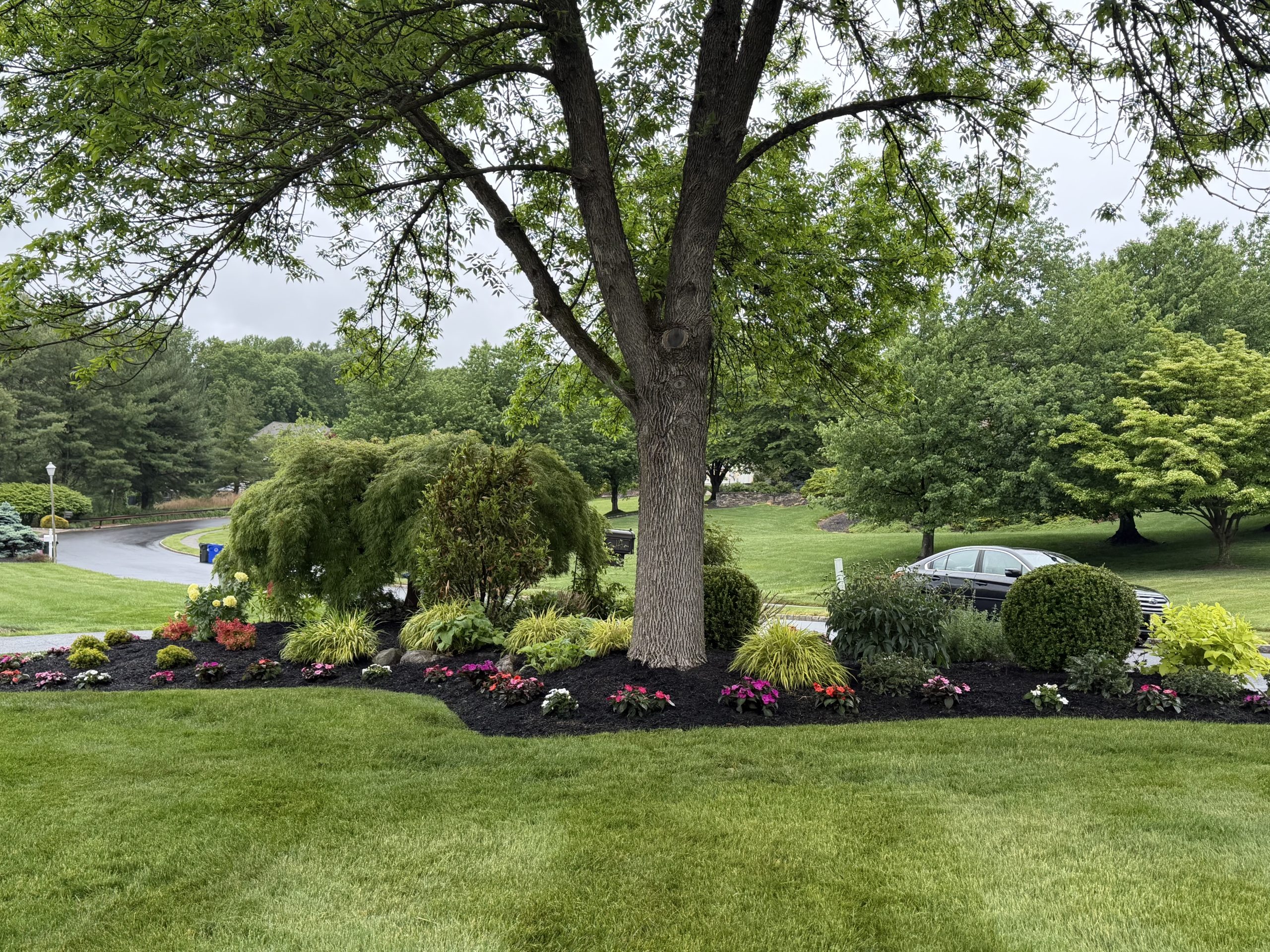
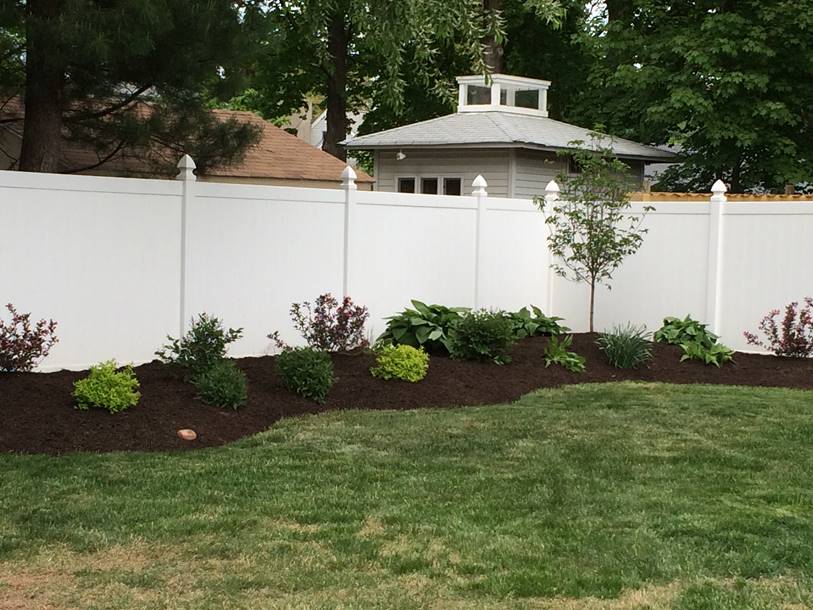

A well-kept landscape does more than frame a building. It changes how a property feels, how it functions, and how much work it creates over time. Owners often notice the obvious benefits first, cleaner edges, healthy turf, blooming shrubs, fewer weeds. What tends to get overlooked is the operational side of Landscape Maintenance: drainage, plant health, liability, irrigation efficiency, seasonal timing, and the steady prevention of small problems that become expensive ones.
That matters whether you own a single-family home, manage a retail center, oversee an office park, or look after a multi-unit residential property. The basic principles are the same. Plants need to be matched to site conditions. Soil needs attention. Water needs to be applied correctly. Pruning needs timing and restraint. And every landscape, even a simple one, needs a plan that fits the property rather than a generic service schedule.
Owners who understand those fundamentals make better decisions. They spot poor workmanship sooner. They budget more accurately. They are less likely to overwater, replace plants unnecessarily, or mistake cosmetic improvement for real landscape health.
What landscape maintenance actually includes
Many people hear the term and think mainly of mowing, blowing, and trimming. Those are visible tasks, but they are only one layer. Good Landscape Maintenance includes turf care, shrub and tree pruning, irrigation checks, weed management, soil improvement, mulch renewal, seasonal cleanup, pest and disease monitoring, and ongoing evaluation of plant performance.
On commercial properties, it often extends further. Crews may manage sight lines at entrances and intersections, maintain clear pedestrian paths, monitor trip hazards caused by roots or settling, and protect landscape areas from traffic damage. On residential properties, the work may be more personal and aesthetic, but the same technical https://finnffzn098.novacrestiq.com/posts/landscape-maintenance-basics-for-a-tidy-and-inviting-landscape issues still apply. A dead patch in the lawn might be a fungal issue, a sprinkler coverage problem, pet traffic, compacted soil, or buried construction debris. The surface symptom tells only part of the story.
One of the clearest signs of professional oversight is that maintenance decisions are made with the site in mind. A shady front lawn under mature oaks should not be treated like a full-sun backyard. A hedge used for privacy should not be pruned into a rigid shape if that constant shearing weakens the plant. A sloped bed near a building foundation needs a different irrigation strategy than a flat ornamental island in a parking lot.
The biggest mistake property owners make
The most common error is treating maintenance as a series of isolated chores instead of a connected system. Owners mow without addressing soil compaction. They replace declining shrubs without asking whether drainage is poor. They fertilize when the real problem is irrigation timing. They prune to reduce size without considering the plant’s growth habit.
That fragmented approach usually costs more in the long run. I have seen properties spend thousands replacing plants that were never suited to the heat reflected off nearby pavement. I have also seen owners blame a landscaping crew for brown turf that was really the result of a malfunctioning valve that had gone unnoticed for weeks.
Healthy landscapes are built on diagnosis, not just activity. More work does not always mean better results. In some cases, aggressive maintenance is the problem. Overpruned shrubs, scalped lawns, excessive fertilization, and daily shallow watering can all push a landscape in the wrong direction.
Start with the site, not the shopping list
Before anyone talks about flower color or fresh mulch, the property itself needs to be read correctly. Sun exposure, wind, soil texture, drainage patterns, slope, foot traffic, reflected heat, and local climate shape every maintenance decision.
A south-facing bed next to masonry can be brutally hot in midsummer. Plants there may need to tolerate drought and radiant heat, even if the broader region is fairly temperate. A low spot near a downspout may stay wet longer than expected and stress plants that prefer drier roots. Areas near sidewalks often suffer from compacted soil, winter salt exposure in some regions, and uneven watering.
This is one reason new landscapes often struggle during the first two years. Owners or installers may have chosen plants based on appearance at the nursery instead of long-term fit on the property. A plant can look excellent in a container and then decline once it faces the actual conditions on site.
If you are evaluating an existing landscape, take note of recurring trouble spots. Do the same shrubs fail every two years in the same bed? Does one lawn corner stay thin no matter how much seed goes down? Does runoff expose roots after every heavy rain? Patterns like that usually point to a site issue rather than bad luck.
Soil quietly decides almost everything
Property owners tend to focus on what they can see above ground, but soil quality governs far more than most realize. Root growth, water movement, nutrient availability, and oxygen exchange all depend on what is happening below the surface.
Compacted soil is especially common around newer construction. Heavy equipment squeezes out pore space, and roots then struggle to spread. Water may pond on the surface or run off before soaking in. Turf in compacted areas often looks weak despite regular irrigation. Shrubs may appear stunted or show pale leaves even when fertilizer has been applied.
Soil testing can be worthwhile, especially on larger properties or where recurring issues exist. You do not always need a lab test for every question, but a basic analysis can help clarify pH, organic matter, and nutrient balance. That beats guessing. Applying fertilizer without understanding the soil is a bit like prescribing medicine without taking a pulse.
Organic matter is often the quiet fix. Compost incorporated properly into planting areas can improve structure, moisture retention, and microbial activity. Mulch helps too, though it should not be piled against trunks or stems. The familiar volcano of mulch around trees is still one of the most damaging and persistent mistakes in landscape work. It traps moisture against bark, invites decay, and can encourage roots to circle near the surface instead of expanding normally.
Watering is where good intentions go wrong
Ask ten property owners what kills more plants, drought or too much water, and many will answer drought. In reality, overwatering is often just as destructive, sometimes more so. Root rot, fungal problems, shallow root systems, nutrient leaching, and weed pressure all increase when irrigation is excessive or poorly timed.
The right watering schedule depends on plant type, soil, weather, and season. Turf generally benefits from deeper, less frequent watering than many owners expect. That encourages roots to grow downward rather than hovering near the surface. Shrubs and trees, especially once established, should not be on the same schedule as annual flowers. They need different volumes and intervals.
Irrigation systems deserve regular inspection. Heads shift. Nozzles clog. Spray patterns get blocked by growth. Drip emitters fail quietly. Controllers get left on seasonal settings long after temperatures change. On commercial sites, I have seen one broken head throw water across pavement for days because no one walks the property early enough to catch it. The owner notices only when the water bill climbs or the turf starts yellowing in the dry zone the sprinkler no longer reaches.
A simple morning walk can reveal a lot. Look for water running into gutters, mushrooms in consistently wet beds, soft ground, uneven turf color, or shrubs that look stressed despite irrigation. Those clues usually show whether the issue is volume, coverage, or timing.
Turf care is more technical than it looks
Lawns are unforgiving because problems show quickly and everyone notices them. At the same time, turf is often maintained on autopilot. The mower shows up weekly, clippings are blown off hard surfaces, and the lawn is assumed to be handled. In reality, cutting height, irrigation, aeration, fertility, shade, and traffic all interact.
Mowing too short is one of the fastest ways to weaken turf. Short grass loses photosynthetic capacity, dries faster, and gives weeds room to move in. Different grass types have different ideal heights, so a blanket “keep it neat” approach often backfires. Taller is not messy if it is healthy and even. In many climates, slightly higher mowing during heat stress can make a visible difference in resilience.
Aeration is another service owners often skip because the benefit is not immediately cosmetic. Yet in compacted lawns, aeration can improve water infiltration, reduce runoff, and support stronger roots. Overseeding after aeration can help thin turf recover, particularly in cool-season lawns.
Fertilizer should follow need and season. More is not better. Excess nitrogen can create lush top growth that requires more mowing and becomes more susceptible to stress or disease. If a lawn always looks hungry, the answer may be poor soil biology, inconsistent irrigation, or too much shade, not simply more product.
Shrubs, trees, and the art of pruning without overdoing it
Pruning is one of the most misunderstood parts of Landscape Maintenance. People often assume that tighter, more frequent trimming equals better care. Sometimes the opposite is true.
Good pruning starts with purpose. Are you removing dead wood, improving air circulation, preserving natural form, maintaining clearance, encouraging bloom, or reducing conflict with structures and walkways? The answer determines how and when cuts should be made.
Formal hedges are one thing. They are meant to be controlled. But many shrubs are healthier and more attractive when selectively thinned rather than repeatedly sheared into rounded boxes. Constant shearing pushes growth to the outer shell, leaving the interior sparse and woody. Eventually, you get a plant that looks green on the outside and dead in the middle.
Trees deserve special attention because mistakes take years to show and longer to correct. Topping, poor structural cuts, or aggressive crown reduction can create weak regrowth, decay, and future hazards. Young trees benefit from thoughtful structural pruning early on. Mature trees benefit from restraint and qualified assessment. If a large tree overhangs a house, parking area, or public walk, it is worth involving a certified arborist rather than treating it like just another line item on the landscape schedule.
Timing matters too. Spring-flowering shrubs are often pruned at the wrong time, with owners cutting off the next season’s blooms without realizing it. Broadly speaking, pruning should align with each plant’s flowering and growth cycle, not just the crew calendar.
Weeds are a symptom as much as a nuisance
Weed pressure tells you something about conditions. Thin turf, open soil, overirrigation, underplanted beds, and neglected edges all create opportunities. If weeds keep returning despite repeated treatment, the real issue may be the environment that favors them.
Mulch helps suppress weeds, conserve moisture, and moderate soil temperature, but it needs maintenance. Too thin and it does little. Too thick and it can restrict air exchange and trap excessive moisture. In most ornamental beds, a moderate layer is enough if the underlying bed is already relatively clean.
Hand removal still matters in smaller areas, especially before weeds set seed. On larger properties, pre-emergent and post-emergent control may be part of the program, but herbicides should support a broader strategy, not replace one. Bare beds with widely spaced plants almost guarantee recurring weed issues. Mature, properly spaced plantings shade the soil and reduce openings.
Edges matter more than most people think. A crisp line between turf and bed can make an average landscape look cared for, while ragged transitions make even healthy plantings seem neglected.
Seasonal timing separates decent care from smart care
A property rarely needs the same thing in April that it needs in August or November. Seasonal timing is one of the clearest markers of experienced maintenance. The crew that shows up with the same routine every visit, every month, may be providing activity, but not necessarily value.
Here is a practical seasonal framework property owners can use when reviewing their maintenance plan:
- Spring is for cleanup, irrigation startup, mulch touch-up, early weed control, inspection for winter damage, and selective feeding where appropriate.
- Summer is for irrigation management, mowing adjustments, monitoring heat stress, deadheading where needed, and watching closely for pests and disease.
- Fall is for aeration in many lawns, overseeding where suitable, leaf management, planting in many regions, and preparing irrigation systems for cooler weather.
- Winter is for structural pruning on suitable plants, hardscape inspection, storm damage review, and planning improvements before the busy growing season returns.
Those are broad strokes, not fixed rules. In warmer climates, growth and irrigation demands can continue deep into fall. In colder regions, spring can arrive late and compress the work window. The point is not to follow a script. It is to align maintenance with biology and weather.
Drainage and hardscape are part of the landscape too
Property owners sometimes divide responsibilities too sharply. Landscapers handle plants, someone else handles paving, and drainage is nobody’s problem until water shows up where it should not. That separation creates avoidable damage.
Poor drainage can drown roots, stain concrete, undermine retaining walls, invite mosquito activity, and accelerate erosion. A landscape bed that washes out repeatedly after rain is not merely untidy. It is telling you that water is moving incorrectly through the site. Downspouts may discharge too close to foundations. Swales may have settled. Soil may be compacted. Grade may direct runoff toward planted areas not designed to handle it.
Hardscape maintenance also affects plant health. Raised pavers can create trip hazards and damage mowing equipment. Cracked curbs can channel water in odd directions. Tree roots lifting sidewalks raise both liability and planning questions. In some cases, root pruning is not the right answer because it destabilizes the tree. The better long-term solution may involve rerouting pavement or adjusting the site design.
How to tell whether your maintenance program is working
A healthy property should improve over time. Not dramatically every month, but steadily and visibly over the course of seasons and years. That is the standard owners should use.
Watch for these signs that a Landscape Maintenance program needs closer attention:
- recurring plant loss in the same area
- irrigation runoff, pooling, or persistent dry spots
- shrubs hacked into shape instead of pruned with intention
- mulch piled against trunks or spread far too thick
- beds and turf that look tidy for a day but decline between visits
The first item points to unresolved site conditions. The second usually means wasted water and uneven coverage. The third suggests labor without horticultural judgment. The fourth is a common but costly error. The fifth often means the work is surface-level, focused on appearance rather than health.
A solid maintenance partner should be able to explain not just what was done, but why. If turf disease appears, they should discuss moisture, weather, and cultural practices. If a hedge needs reduction, they should explain timing and recovery. If plant replacement is proposed, they should be able to say whether the original plant was a poor fit or whether another issue caused the failure.
Budgeting for maintenance without wasting money
Owners usually ask some version of the same question: what should I spend? There is no universal number because costs vary by region, property size, plant density, irrigation complexity, and expectations. A simple suburban lawn with a few foundation shrubs is one category. A commercial site with extensive beds, mature trees, seasonal color, and multiple irrigation zones is another.
The better question is how to spend wisely. Preventive care nearly always beats deferred repair. Fixing a valve early is cheaper than replacing stressed turf across several zones. Pruning a young tree for structure is cheaper than dealing with storm damage years later. Correcting drainage at the start is cheaper than replacing plants repeatedly in saturated soil.
Cheap maintenance often becomes expensive maintenance. Low bids may mean rushed visits, untrained labor, infrequent inspections, or a one-size-fits-all service model. At first glance the property may look acceptable. Over a year or two, hidden neglect shows up as thinning lawns, overgrown shrubs, declining trees, and higher replacement costs.
That does not mean the highest bid is always best. It means scope, competence, and communication matter more than headline price alone.
The owner’s role is smaller than you think, but still important
You do not need to become a horticulturist to manage your landscape well. You do need to pay attention. Walk the property. Notice patterns. Ask questions when something changes suddenly. A ten-minute site walk every week or two can catch leaks, storm damage, broken branches, disease symptoms, and safety issues before they grow.
Owners also set the tone for maintenance quality. If the only expectation communicated is “keep it neat,” that is what many service providers will prioritize. If the expectation includes plant health, water efficiency, seasonal judgment, and long-term improvement, the work tends to follow.
One of the most useful habits is documenting recurring issues. Take photos from the same spots every month or every season. Over time, those images reveal whether a bed is maturing well, whether shade is increasing, whether drainage has changed, or whether a lawn is slowly thinning in a predictable pattern. Memory is unreliable. Photos are not.
A landscape should get easier, not harder, with age
When landscapes are designed and maintained well, they settle in. Plants fill out. Root systems strengthen. Weed pressure drops as canopies knit together. Irrigation can often be reduced as trees and shrubs establish. Maintenance becomes more selective and less reactive.
When a property gets more troublesome every year, something is off. The plant palette may be wrong. Pruning may be creating stress. Soil may be compacted. Drainage may be unresolved. Service may be too focused on routine appearance and not focused enough on diagnosis.
That is the heart of Landscape Maintenance. It is not a collection of chores. It is the steady management of living systems on a built site, with weather, wear, and time constantly changing the terms. Property owners who understand that tend to make calmer decisions, spend more effectively, and end up with landscapes that look better because they are better. Not just freshly trimmed for the moment, but healthier season after season.
Majestic Mowing & Landscaping LLC
Phone number: +19733975532
FAQ About Landscape Maintenance
What is landscape maintenance?
Landscape maintenance is the ongoing care, cleaning, and upkeep of outdoor green spaces to keep them healthy, safe, and attractive.
Is $100 an hour too much for landscape work?
An hourly rate of $100 is not too much for specialized or professional landscape work, though it sits at the higher end of the standard pricing spectrum.
How much do landscapers charge for maintenance?
For professional landscaping maintenance, homeowners typically pay $100 to $410 per month for recurring services, or an hourly labor rate of $50 to $100 per hour per crew member.