Landscape Maintenance Habits That Help Prevent Plant Disease

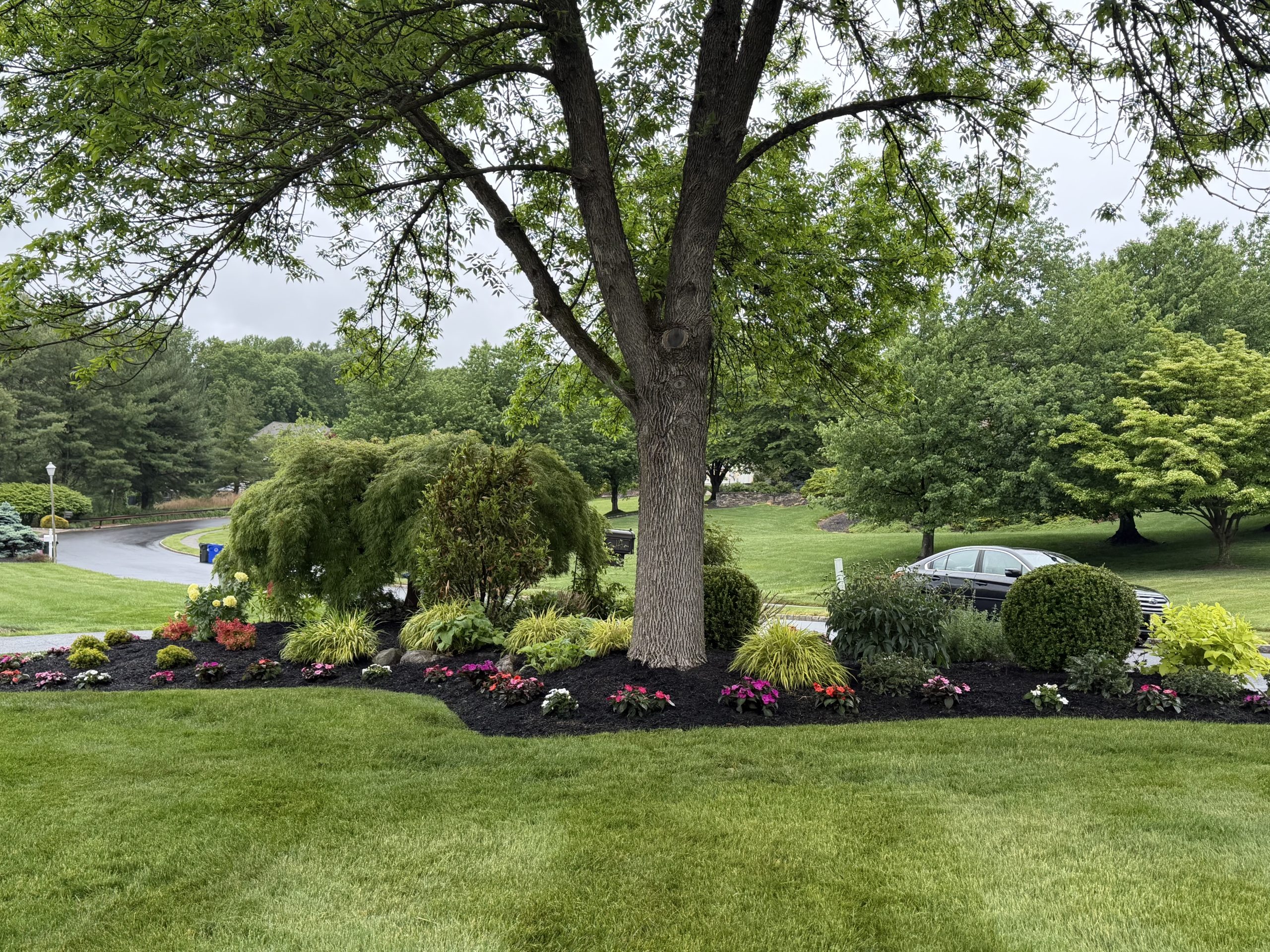

Plant disease rarely starts with bad luck alone. More often, it begins with a routine that looked harmless at the time. A bed kept too wet through spring. Shrubs packed tightly because they looked full when first planted. A mower moving from one part of the property to another with blades that were never cleaned. Most disease pressure in a landscape builds quietly, then shows up all at once when weather, plant stress, and a pathogen finally align.
That is why good landscape maintenance matters so much. Healthy landscapes are not disease-free by accident. They are managed in ways that reduce stress, improve airflow, limit leaf wetness, and avoid spreading problems from one plant to the next. When those habits become part of weekly and seasonal work, the entire property performs better. Plants establish faster, recover from heat and pruning more reliably, and need fewer rescue treatments.
Over the years, one lesson becomes clear on almost every site: prevention is cheaper than correction, and it is usually better looking too. Once disease is visible across a hedge, in a lawn panel, or through a perennial border, options narrow. You may be pruning hard, replacing plants, or treating repeatedly to stabilize something that could have been prevented with a few disciplined habits.
Disease pressure starts with stress
Most common landscape diseases take advantage of vulnerable plants. That vulnerability can come from drought, overwatering, root damage, poor soil drainage, excessive shade, nutrient imbalance, mechanical injury, or improper pruning. Pathogens differ, but the opening is often the same. A stressed plant cannot defend itself as well, and a site that stays wet, crowded, or compacted gives disease a place to gain traction.
This is why maintenance crews who pay attention to growing conditions tend to catch fewer disease problems than crews focused only on appearance. A bed can look neatly edged and freshly mulched while roots are suffocating beneath it. A lawn can look uniformly green after irrigation while developing fungal activity because it never has time to dry. Cosmetic care has value, but plant health depends on conditions below and around the visible surface.
On commercial properties, this often shows up in high-traffic areas. Soil near entries, sidewalks, and gathering spaces becomes compacted. Water runs off rather than infiltrating. Roots stay shallow. Then one humid stretch arrives, and suddenly there is a patch of decline that seems mysterious until you look at the foot traffic pattern. In residential landscapes, the issue is often simpler: irrigation is set by convenience rather than plant need, and the same schedule is applied to turf, shrubs, and seasonal color even though each uses water differently.
Watering habits that prevent more disease than any spray program
If I had to choose one maintenance practice with the biggest effect on disease prevention, it would be proper irrigation. Too much water creates obvious trouble, but poorly timed water is almost as bad. Wet foliage overnight, saturated root zones, and frequent shallow watering all push plants toward stress and infection.
Deep, infrequent watering usually supports stronger roots and drier surfaces. For turf, that means soaking the soil enough to encourage roots to chase moisture downward rather than hovering near the top inch. For shrubs and perennials, it means watering the root zone thoroughly, then allowing oxygen back into the soil before the next cycle. Exact timing varies by soil, weather, and plant type, but the principle holds across sites.
Morning irrigation is one of the simplest disease prevention habits in Landscape Maintenance. Watering early gives leaves time to dry as temperatures rise and air movement increases. Evening irrigation can keep foliage damp for long periods, especially in dense plantings or shaded beds. That extended moisture window is ideal for many foliar diseases.
The delivery method matters too. Overhead irrigation is sometimes unavoidable, especially on turf, but it is a poor choice for many ornamentals. Drip or low-volume irrigation keeps water where it belongs, at the root zone, and reduces splashing. Splashing is not a minor detail. It can move spores from soil to leaves and from infected tissue to clean tissue.
There is also a judgment call that newer crews sometimes miss: do not water by calendar alone. A controller set in April and ignored until August will overwater during cool periods and underwater in extreme heat unless someone adjusts it. Rainy weeks, cloudy stretches, and changes in canopy cover all affect water use. Disease prevention improves when someone walks the site and asks whether the soil actually needs moisture.
Airflow is not a luxury
Crowded plants hold humidity, dry slowly, and create ideal disease conditions. This is common with foundation shrubs, privacy hedges, roses, and any bed designed to look full immediately after installation. The problem often starts at planting, but maintenance either corrects it or makes it worse.
Thoughtful pruning opens plants without butchering them. That distinction matters. Topping or shearing every surface into a hard shell may produce a neat outline, but it often thickens the outer layer and shades the interior, where dead twigs and weak growth accumulate. Selective thinning, by contrast, removes chosen stems to increase air movement and light penetration through the plant.
On a row of viburnum, for example, a light thinning cut every season can do more for long-term health than repeated surface shearing. The same applies to crape myrtles, hydrangeas, hollies, and many broadleaf evergreens. The goal is not to make plants sparse. It is to reduce the stagnant pocket of humidity where leaf spots and blights thrive.
Spacing matters just as much as pruning. When plants are installed too close, maintenance becomes a constant attempt to manage a design problem. You can prune for a while, but eventually the canopies knit together and stay damp after rain. At that point, removal or replacement may be the more honest solution.
Sanitation is where discipline shows
Many diseases survive in fallen leaves, infected stems, old fruit, or contaminated tools. Landscapes improve dramatically when sanitation is treated as plant health work rather than simple cleanup. That means removing diseased debris promptly, not grinding it into mulch or leaving it tucked under shrubs until the next major cleanup.
Leaf spot on deciduous shrubs is a good example. If infected leaves drop and remain under the plant through winter, the disease often returns with force the following season. The same is true for certain lawn diseases when heavy thatch and infected clippings accumulate under favorable conditions. Sanitation does not eliminate every pathogen, but it lowers the inoculum level, and that can be the difference between a minor flare and a property-wide problem.
Tool hygiene deserves more attention than it gets. Crews move quickly, and on busy days pruners go from one bed to another without pause. If those blades have cut through cankered wood or a bacterial infection, they can carry trouble with them. This matters most during active disease outbreaks and when pruning highly susceptible species.
A practical field routine helps:
- Clean pruning tools at the start of the day and again after working on visibly infected plants.
- Remove and bag heavily diseased debris rather than composting it on site when the disease can persist in plant material.
- Disinfect mower blades and hand tools when moving between affected and unaffected zones.
- Rake and thin fallen leaves under disease-prone shrubs before wet weather settles in.
- Keep mulch rings and bed edges free of matted debris that traps moisture against stems.
These steps sound basic because they are. Yet properties that follow them consistently tend to have fewer recurring disease issues than properties that rely on periodic treatments alone.
Mulch helps, until it hurts
Mulch is often recommended for moisture retention, weed suppression, and temperature moderation, and those benefits are real. But mulch applied carelessly creates disease conditions. The most common mistake is piling mulch against trunks and crowns. That keeps bark damp, invites decay, and can stress the plant over time. Volcano mulching around trees remains one of the most persistent errors in Landscape Maintenance, and it is not harmless.
A better approach is a moderate layer, usually around two to three inches for most beds, kept back from trunks, stems, and the crown of the plant. Enough to buffer soil and reduce splash, not so much that roots stay overly wet or oxygen exchange is reduced.
Old mulch can also become a problem when it mats or turns hydrophobic. Instead of absorbing water evenly, it sheds water to the sides or traps it in inconsistent ways. Landscapes that receive fresh topdressing every year without loosening or assessing the existing layer can end up with excessive buildup. At that point, root flare gets buried, surface roots suffer, and disease pressure rises because the plant is under chronic stress.
Pruning at the wrong time creates openings
Pruning helps prevent disease when done well, and invites disease when done carelessly. Fresh cuts are wounds, and wounds are entry points. Timing matters because plant susceptibility and pathogen activity do not stay constant through the year.
In many regions, pruning during dry weather is safer than cutting during prolonged wet periods, especially for plants already prone to canker or blight. Dead, damaged, or crossing branches should certainly be removed, but large structural cuts on vulnerable species deserve some planning. Oaks in areas with oak wilt risk are a classic case where local timing recommendations matter. Flowering shrubs can also be weakened if pruned too hard during heat stress, then pushed into disease by the strain.
The quality of the cut matters as much as the date. Ragged tears, stubs, and crushed tissue heal poorly. Sharp tools, clean cuts, and species-specific technique reduce stress and speed compartmentalization. In practice, that means the crew member doing the pruning should understand more than shape. They need to know how the plant grows and where disease tends to show up first.
Soil care is disease prevention, even when the leaves look fine
Many disease problems begin below ground. Root rots, crown rots, and general decline are often tied to poor drainage, compaction, or improper planting depth. By the time foliage yellows or wilts, the underlying issue may have been developing for months.
This is where routine observation separates good maintenance from reactive maintenance. After heavy rain, notice where water stands. Probe the soil in declining beds. Check whether root flares are visible on trees. Look for girdling roots on container-grown material. If a site stays wet in one corner every storm, planting moisture-sensitive material there and hoping for the best is not a maintenance strategy.
Aeration can help turf and some compacted planting areas by improving oxygen movement and water infiltration. Topdressing with compost in the right context can support soil structure. In beds, reducing repeated traffic and avoiding work when soil is saturated prevents damage that lingers far longer than the footprints.
Fertilization also belongs here, though not in the simplistic way it is often discussed. Overfertilized plants can push lush, tender growth that is more susceptible to certain diseases and insect pressure. Underfed plants, on the other hand, lack vigor. The answer is not “more fertilizer.” It is matching nutrient inputs to the plant, the soil, and the season. If a landscape is declining broadly, guessing with fertilizer can make matters worse.
Lawn care habits that reduce fungal outbreaks
Turf diseases often reveal every inconsistency in maintenance. Mowing too low, watering too often, dull blades, excessive nitrogen, and poor air movement can combine quickly, especially during humid weather.
Sharp mower blades are an underrated disease prevention tool. Clean cuts dry and recover faster. Torn grass tips from dull blades create stress and can make the lawn look diseased even before a pathogen becomes active. During periods of known fungal pressure, mowing when the turf is dry is usually wiser than cutting through a wet canopy and potentially moving infected material around.
https://tysonvpey473.huicopper.com/landscape-maintenance-guide-for-healthier-flower-bedsHeight matters too. Scalped turf weakens roots and heats up faster. A lawn kept slightly taller within the recommended range for its species often tolerates stress better and shades the soil more effectively. That does not prevent every disease, but it improves resilience.
Thatch is another judgment issue. A thin thatch layer can be normal. Excessive thatch, especially under high irrigation and fertility, holds moisture near the crown and creates conditions many turf pathogens like. Regular monitoring matters more than assuming every lawn needs aggressive dethatching.
Plant selection and replacement are part of maintenance
A surprising amount of disease prevention depends on decisions made before the maintenance crew arrives. Some plants are simply poor fits for the site. They may survive for a while, but they are always one wet spring or one hot August away from trouble. Good maintenance can reduce stress, not erase a bad match.
When a plant repeatedly develops the same disease despite reasonable care, replacement should be on the table. Not every problem deserves another season of inputs. If a shrub in deep shade constantly fights powdery mildew, or a rose bed in a poorly ventilated courtyard needs nonstop intervention, the better answer may be a more suitable species or cultivar.
This is especially true on commercial properties where labor efficiency matters. A disease-prone plant that needs repeated cleanup, monitoring, pruning, and treatment is expensive over time. Replacing it with a tougher alternative often improves both plant health and budget performance.
The importance of scouting before symptoms spread
Many disease problems are manageable when caught early and frustrating when noticed late. Regular scouting does not need to be formal, but it should be intentional. The person on site should be looking beyond weeds and obvious damage. They should notice subtle changes in color, wilting patterns, spotting, stem lesions, and uneven growth.
The best scouts also watch for context. Are symptoms concentrated where irrigation oversprays every morning? Is decline following a drainage swale? Did the issue begin after heavy pruning, construction traffic, or mulch buildup? Disease rarely appears in a vacuum.
A few warning signs deserve quick attention:
- Leaf spotting that increases rapidly during wet weather
- Branch dieback limited to one side or section of a plant
- Wilting despite moist soil
- Mushy crowns, darkened bark, or stem cankers near the base
- Turf patches that expand in circular or irregular patterns over a week or two
None of these signs confirms a specific disease on sight, but each justifies a closer look. Acting early may mean pruning out a localized infection, adjusting irrigation, improving drainage, or isolating a problem area before the entire bed is affected.
Weather changes the rules
One of the biggest mistakes in Landscape Maintenance is treating every month the same. Disease pressure swings with weather. A dry summer and a cool, wet spring do not call for the same habits. Crews that adjust routines to conditions prevent more disease than crews following a fixed script.
During extended wet periods, sanitation, airflow, and irrigation reduction become more important. During drought, the focus shifts toward avoiding water stress without keeping crowns saturated. After storms, rapid cleanup of broken tissue can prevent opportunistic infections. In humid stretches, it makes sense to delay nonessential shearing that would thicken outer growth and hold more moisture.
This is where experience shows. You begin to recognize which corners of a property stay wet longest, which species show symptoms first, and which routine tasks tend to trigger stress under certain conditions. That kind of pattern recognition is built over seasons, not from product labels.
When treatment is necessary, maintenance still drives the outcome
There are times when cultural practices are not enough. A valuable tree, a signature hedge, or a high-visibility lawn may need fungicidal support during severe pressure. But even then, maintenance determines whether treatment succeeds. If irrigation remains excessive, airflow remains poor, and infected debris stays in place, chemical control is doing all the work uphill.
The best results usually come from combining targeted treatment with corrected maintenance habits. Reduce the wetness period, remove the inoculum source, improve root conditions, and then, if justified, treat. That integrated approach is more durable and often requires fewer repeat applications.
It also helps avoid another common problem, blaming disease for every decline. Not all yellowing is fungal. Not every dead branch is blight. Herbicide drift, root injury, winter burn, nutrient issues, and planting depth problems can mimic disease. Good maintenance professionals stay curious before they reach for a diagnosis.
Healthy landscapes are built by routine choices that look modest on their own. Water at the right time. Thin what is too dense. Clean the tools. Remove infected debris. Protect the root zone. Watch the site after weather shifts. Those habits do not feel dramatic, but they are the reason some properties stay resilient year after year while others slide into chronic problems.
Plant disease prevention is not a single task on a maintenance schedule. It is the cumulative effect of dozens of small decisions made well.
Majestic Mowing & Landscaping LLC
Phone number: +19733975532
FAQ About Landscape Maintenance
What is landscape maintenance?
Landscape maintenance is the ongoing care, cleaning, and upkeep of outdoor green spaces to keep them healthy, safe, and attractive.
Is $100 an hour too much for landscape work?
An hourly rate of $100 is not too much for specialized or professional landscape work, though it sits at the higher end of the standard pricing spectrum.
How much do landscapers charge for maintenance?
For professional landscaping maintenance, homeowners typically pay $100 to $410 per month for recurring services, or an hourly labor rate of $50 to $100 per hour per crew member.